Members of the Great North Air Ambulance Service (GNAAS) critical care team have completed one of the most challenging elements of helicopter crew training.
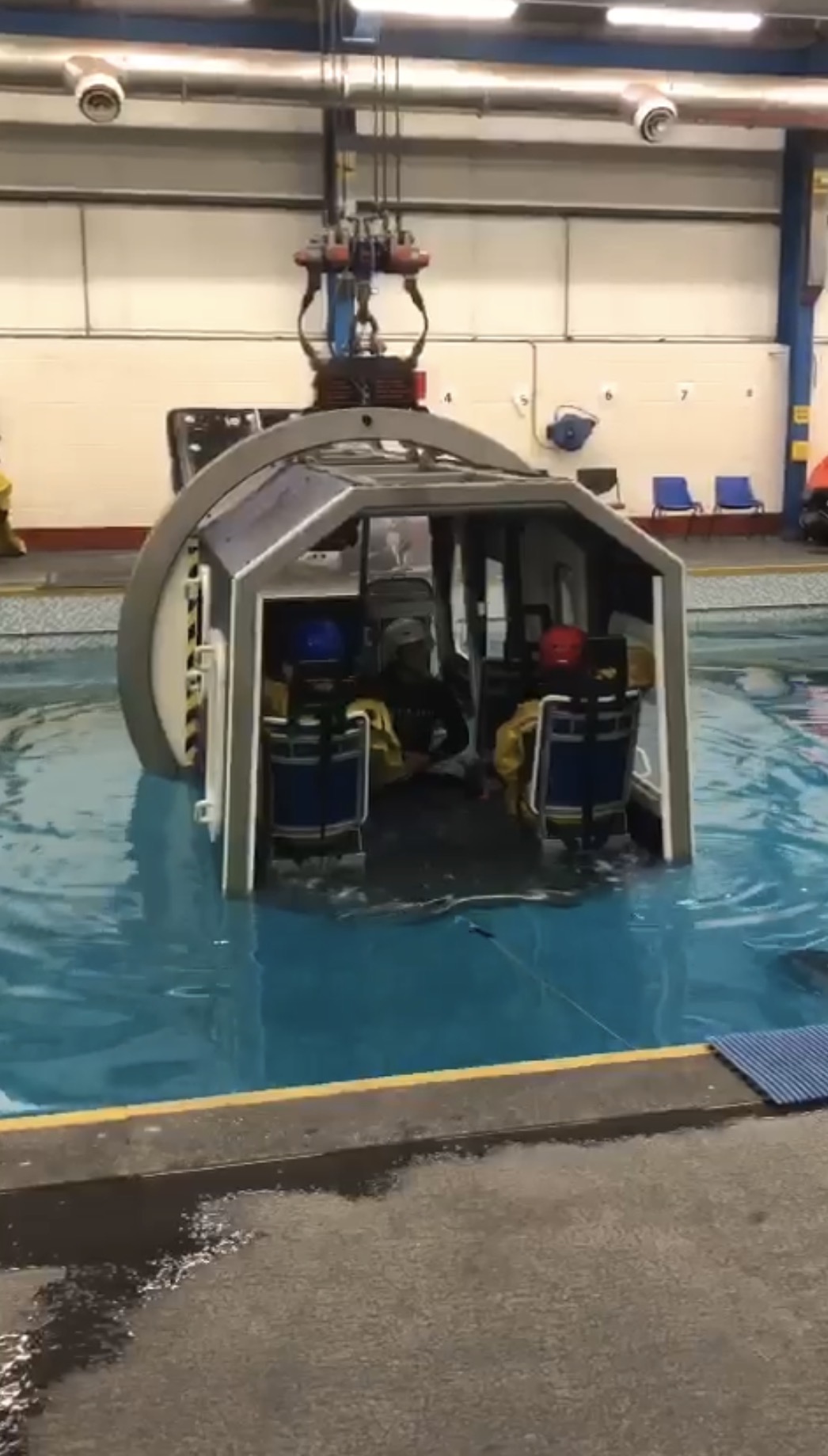
The team recently undertook Helicopter Underwater Escape Training (HUET), a specialist safety course designed to prepare crews for the unlikely event of a helicopter ditching in water.
The training is an essential requirement for crew members who regularly fly over the Irish Sea while responding to incidents on the Isle of Man, where GNAAS provides a helicopter emergency medical service.
The HUET course involves practical training in a simulated helicopter cabin which is lowered into water and capsized. Participants must learn how to remain calm, release their restraints, deploy emergency breathing systems and safely escape from the aircraft underwater. The training also covers sea survival techniques that can increase chances of survival in such a challenging environment.
The training took place in a specialist survival pool and training facility at RelyOn in Teesside, which provides a tailored course relevant to our aircraft.
While the charity hopes these skills are never required in a real-life situation, regular training ensures the team are equipped to respond safely in the most challenging environments.
Joining the team on the course was GNAAS chief executive Joseph Garcia MBE, who volunteered to fill a spare place and used the opportunity to raise funds in support of the charity.
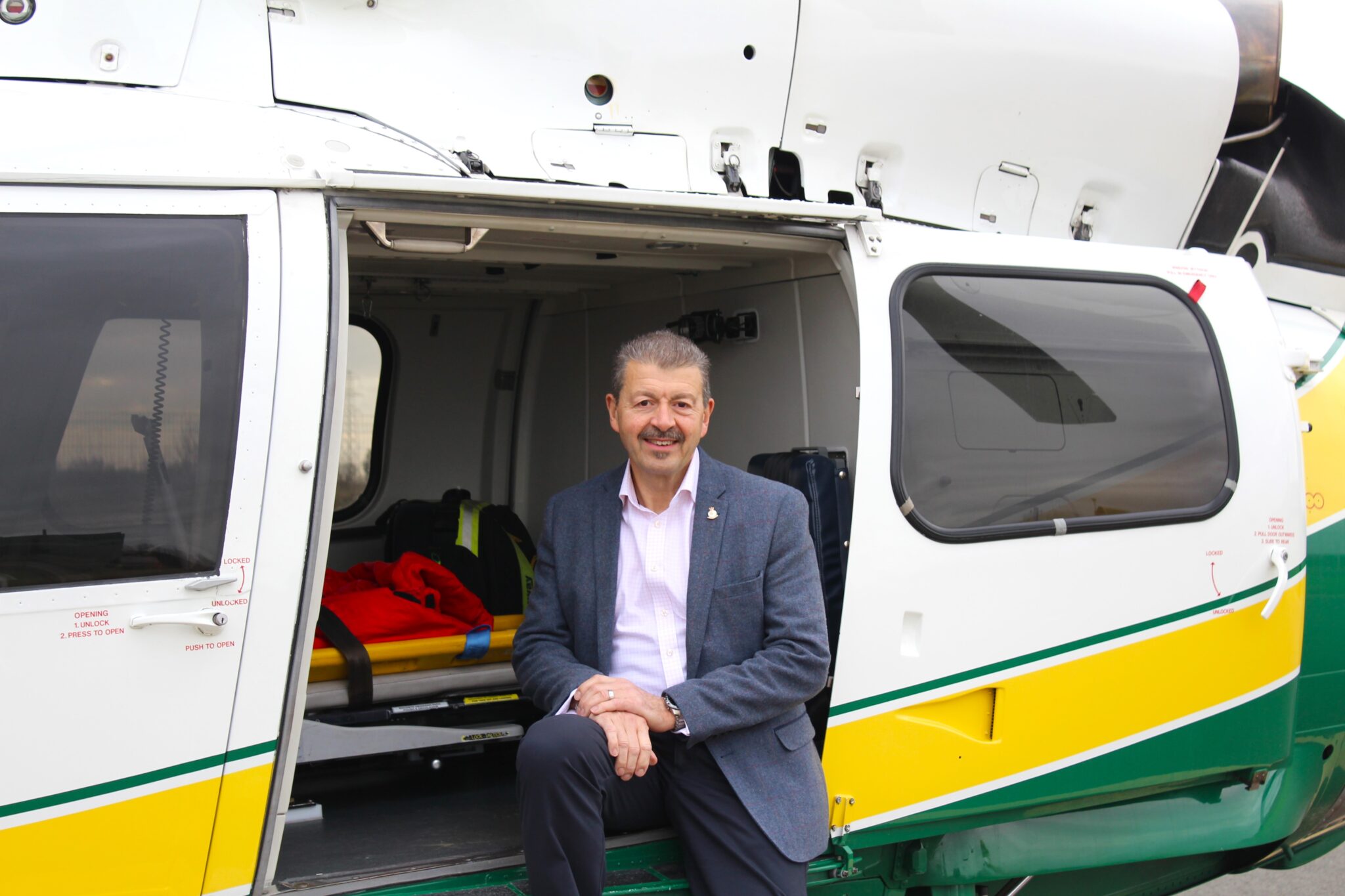
Mr Garcia said: “Earlier this year, our charity was awarded a contract to continue providing our service to the Isle of Man community for the next five years. As a result, our pilots, doctors and paramedics must undertake Helicopter Underwater Escape Training to ensure they are fully prepared in the unlikely event of a helicopter ditching or emergency landing over water.
“It was a challenging experience, and it gave me an even greater appreciation of the professionalism, skill and dedication shown by our crews every day.”
Mr Garcia has raised more than £1,200, and the money will go towards the charity’s Operation SOS appeal, which was launched to secure the next generation of aircraft, enabling the charity to continue responding to thousands of incidents and patients in need each year.
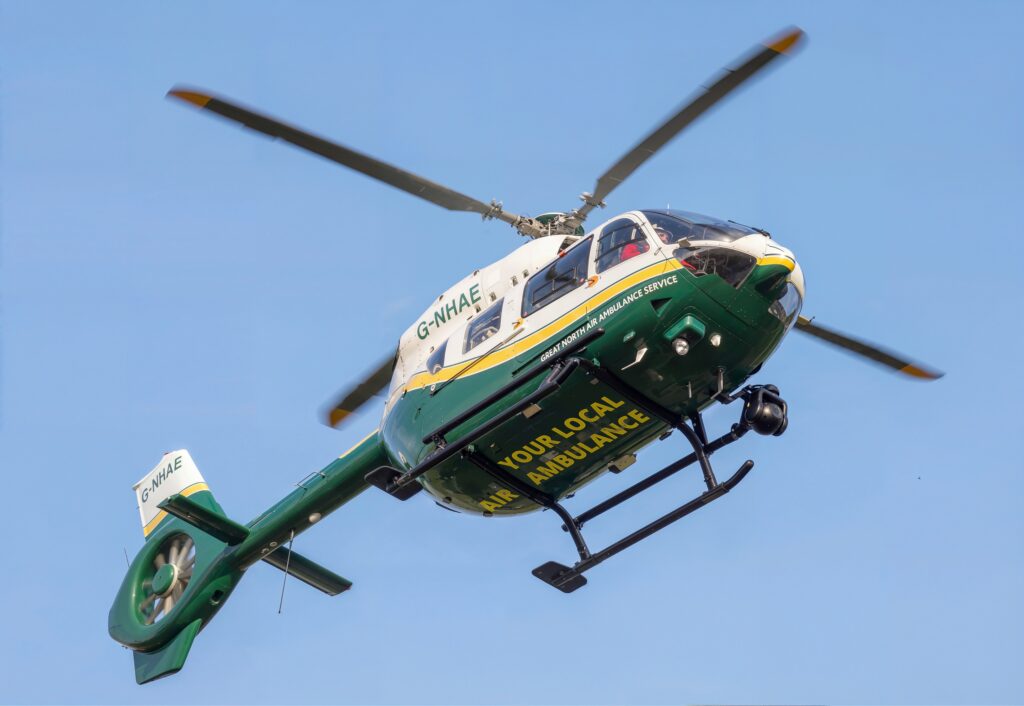
The charity has designed the blueprints for a stronger future, investing in three state-of-the-art Airbus H145 D2 helicopters.
Through careful financial planning, the charity already has the deposits and secured the mortgages for the first two aircraft; however, they urgently need to raise £2.5m to fund the deposit for a crucial third helicopter.
Returning to a three-helicopter fleet will ensure GNAAS’ critical care team can guarantee that they are always ready to respond by air, even when one aircraft is temporarily out of action for maintenance.
Share